Table of Contents
ToggleTiny homes have moved well beyond Pinterest boards into the realm of practical, affordable housing. But what does a tiny home actually cost in 2026? The answer depends heavily on how you build it, where you place it, and what features matter to you. Whether you’re drawn to the minimalist lifestyle, seeking financial freedom, or just tired of maintaining square footage you don’t need, understanding the real cost of tiny home ownership, from the sticker price to hidden expenses, is the first step toward making an well-informed choice. This guide breaks down everything from purchase prices to ongoing costs and shares concrete strategies to keep your budget in check.
Key Takeaways
- The cost of a tiny home typically ranges from $30,000 to $100,000 for the structure itself, but total move-in costs reach $80,000 to $150,000 when including land, foundation, utilities, and permits.
- Land costs often exceed the tiny home price itself, varying from $10,000 to $30,000 per acre in rural areas to $50,000+ per acre in suburban or coastal regions.
- Factory-built tiny homes cost 20–30% less than custom builds, making them an affordable option if you’re flexible with standard floor plans.
- Fixed costs like kitchens and bathrooms don’t scale down proportionally, making per-square-foot pricing comparable to or higher than conventional homes depending on customization.
- Prioritize insulation and phase finishes gradually to maximize savings; skimping on insulation leads to higher heating and cooling bills that offset initial cost reductions.
- Securing family land, checking local zoning regulations upfront, and shopping around for builder quotes and financing terms are the most effective strategies to keep tiny home costs manageable.
Average Tiny Home Price Range
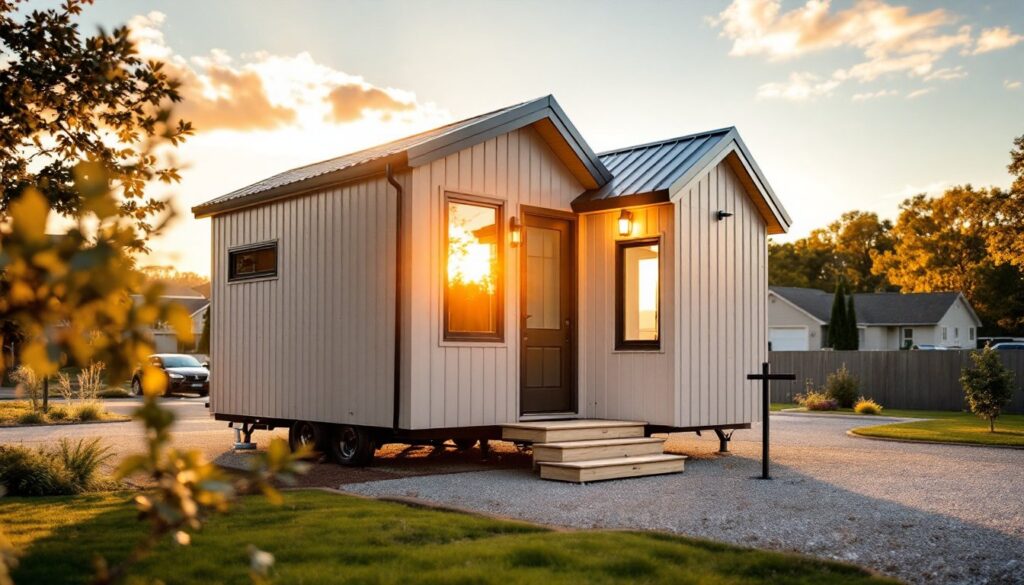
In 2026, a tiny home typically costs between $30,000 and $100,000 for a completed unit, though prices vary significantly. Factory-built tiny homes (also called manufactured tiny homes) usually fall on the lower end, $30,000 to $60,000, while custom-designed, high-end builds can exceed $100,000 or more.
A basic 400-square-foot tiny home from a builder might run $50,000 to $70,000, while luxury finishes, smart home systems, and high-end appliances push costs toward $80,000 to $150,000. Keep in mind these figures represent the home itself: you’ll still need to budget for land, foundation, utility hookups, and permits.
For comparison, the median price of a traditional home in the US hovers near $400,000. A tiny home, then, represents a fraction of that initial cost, though the per-square-foot price can sometimes be comparable to or higher than a conventional home, depending on customization and quality.
Factors That Impact Tiny Home Pricing
Size, Materials, And Custom Features
Size matters, but not linearly. A 300-square-foot tiny home doesn’t cost one-third of a 900-square-foot home: the per-square-foot cost often rises as homes shrink because fixed costs (kitchen, bathroom, HVAC) don’t scale down.
Material quality makes a huge difference. A tiny home with standard laminate cabinetry, vinyl windows, and basic insulation costs far less than one with hardwood cabinetry, triple-glazed windows, and spray foam insulation. Structural materials also matter: pressure-treated lumber framing runs cheaper than engineered lumber or steel studs, but the latter offers better longevity and load-bearing performance.
Custom features, a lofted bedroom, a murphy bed, built-in storage, or a deck, add $5,000 to $20,000 each. Appliances are another variable. Budget stainless-steel units cost around $3,000 to $5,000 total: high-end integrated appliances can run $8,000 to $12,000.
Location And Land Costs
Where you place your tiny home often costs more than the home itself. Land prices vary wildly by region: rural land in the Midwest might be $10,000 to $30,000 per acre, while suburban or coastal lots run $50,000 to $300,000+ per acre.
If you already own land, you’re ahead financially. If not, you’ll need to purchase or lease. Some people place tiny homes on family property (with legal agreements in place), while others buy modest lots in tiny home communities where land is pre-approved for small dwellings.
Foundation costs depend on your location’s frost line depth and soil conditions. A simple concrete pad might cost $3,000 to $8,000: a full basement or post-and-beam foundation runs $10,000 to $20,000. Building codes and zoning restrictions vary by jurisdiction, some areas welcome tiny homes, others restrict them to certain zones or require them in communities, not on single lots. Check local regulations before committing to land: some counties classify tiny homes as trailers, not permanent structures, affecting financing and property taxes.
Hidden Costs And Ongoing Expenses
Most tiny home buyers don’t account for the full picture. Beyond the home and land, budget for utility hookups: electrical service ($2,000–$5,000), water line ($1,500–$4,000), and septic or sewer connection ($3,000–$15,000, depending on distance and site conditions). Propane lines, if needed, add another $1,000–$3,000.
Permits and inspections vary by locality. Expect $500 to $3,000 for building permits, foundation inspections, and final approval. Some jurisdictions charge impact fees or require specific architectural reviews.
Ongoing expenses include property taxes, which are typically lower for tiny homes on modest land but vary by location and assessed value. Insurance costs roughly $400 to $800 annually, though manufactured homes sometimes cost more to insure than site-built ones. Maintenance and repairs, replacing a roof, repairing plumbing, or updating HVAC, occur on the same timeline as larger homes, but the cost per square foot may be similar. Heating and cooling a tiny home costs less in total but requires attention to insulation quality and ductwork sizing.
If your tiny home sits on land you don’t own, a rental lot in a community, for instance, lot rent runs $300 to $800+ monthly, which compounds over time and resembles rent more than homeownership.
Money-Saving Tips For Tiny Home Buyers
Start with land you own or a family loan. If you can place your tiny home on existing family property with a clear legal agreement (documented in writing), you eliminate the biggest cost variable.
Buy a model home or floor plan. Factory-built tiny homes using standard floor plans cost 20–30% less than fully custom builds. You sacrifice some personalization but gain affordability and faster delivery.
Prioritize what matters. Decide which features justify cost increases. A chef might invest in a premium kitchen: a remote worker might prioritize a quiet, well-insulated bedroom. Skip luxury items that don’t align with your lifestyle.
Phase your finishes. Buy the bare-bones shell and finish interiors gradually. This spreads costs over time and lets you adjust as you live in the space. Painting, flooring, and cabinet finishing can be done later without affecting the home’s structural integrity.
Compare builders and manufacturers. Platforms like HomeAdvisor help you evaluate builder track records and get cost estimates from multiple sources. Angi provides reviews and project planning tools. ImproveNet connects you with contractors and helps negotiate costs.
Check for tiny home communities. Established tiny home communities sometimes offer discounted land or shared utilities, lowering total costs. You also gain zoning security, these communities are explicitly designed for tiny homes, reducing legal uncertainty.
Negotiate financing terms. Traditional mortgages are harder for tiny homes, but loans tailored to manufactured housing or personal loans backed by tiny home lenders exist. Shop around: terms vary widely, and lower rates save thousands over time.
Don’t skimp on insulation or vapor barriers. Skimping here costs more later in heating/cooling bills and potential moisture damage. A properly insulated tiny home saves money over its lifetime.
Conclusion
A tiny home in 2026 offers an affordable entry point into homeownership, but the total cost extends far beyond the price tag on the structure itself. Realistically, budget $80,000 to $150,000 for a complete, move-in-ready tiny home including land, foundation, utilities, and permits. The real savings come from lower ongoing expenses and a mortgage you can actually pay off quickly. Know your local zoning rules, own or secure your land first, and build, or buy, intentionally based on what you actually need. That’s where tiny homes deliver on their promise.