
Table of Contents
ToggleFort Worth homeowners have discovered that a well-executed kitchen remodel isn’t just about aesthetics, it’s one of the smartest investments you can make in your home. Whether you’re looking to boost resale value, improve daily functionality, or simply update a dated layout, a kitchen remodel in Fort Worth comes with unique considerations tied to local building codes, climate, and contractor availability. This guide walks you through the planning process, budget expectations, and what to look for when hiring contractors who understand North Texas homes.
Key Takeaways
- A kitchen remodel in Fort Worth typically returns 50–70% of its cost at resale, making it one of the highest-ROI home improvements for North Texas homeowners.
- Fort Worth kitchen remodels range from $15,000–$25,000 for minor refreshes to $80,000+ for high-end projects, with an extra 10–15% budget reserve recommended for unexpected structural issues.
- Modern Farmhouse, Contemporary, Transitional, and Shaker-style cabinetry are the most popular kitchen remodel styles in Fort Worth, each suited to different neighborhood architectures.
- Prioritize cabinetry (30–40% of budget), durable countertops like quartz, energy-efficient appliances, and proper lighting to maximize functionality and resale appeal.
- When hiring a contractor for your kitchen remodel, verify Texas TDLR licensure, request itemized bids from at least three contractors, and confirm they handle permitting and inspections to ensure compliance with local codes.
Why Fort Worth Homeowners Are Investing in Kitchen Remodels
The kitchen is the heart of the home, and Fort Worth’s growing real estate market has made kitchen upgrades a priority for many homeowners. According to recent data, a kitchen remodel typically returns 50–70% of its cost at resale, making it one of the highest-ROI home improvements available. Beyond financial returns, homeowners cite increased daily functionality, improved natural light, and updated appliances as major quality-of-life improvements.
Fort Worth’s expanding neighborhoods, from West 7th to Uptown, have brought younger families and professionals who expect modern kitchens with open layouts, quality cabinetry, and energy-efficient appliances. Climate also plays a role: Texas heat demands good insulation and ventilation, which older kitchens often lack. A thoughtfully planned remodel addresses these needs while respecting the architectural style of your neighborhood, whether that’s a traditional ranch, modern construction, or historic home renovation.
Planning Your Fort Worth Kitchen Remodel Budget
Before breaking ground, establish a realistic budget that accounts for labor, materials, permits, and contingencies specific to Fort Worth.
Setting Realistic Cost Expectations
Kitchen remodels in Fort Worth typically range from $20,000 to $75,000+ depending on scope. A minor refresh (new countertops, hardware, paint, and fixtures) might cost $15,000–$25,000. A mid-range remodel (cabinet refacing or replacement, new appliances, updated flooring, and lighting) runs $35,000–$55,000. A high-end remodel with custom cabinetry, granite or quartz countertops, premium appliances, and structural changes can exceed $80,000.
Local factors affect pricing: labor costs in Fort Worth remain moderate compared to coastal cities, but material shortages and supply chain delays can impact timelines and costs. Permitting fees in Fort Worth typically range from $300–$800 depending on the scope of work and whether you’re touching electrical, plumbing, or structural elements. Always budget an extra 10–15% for unexpected issues, a common reality when opening walls reveals outdated wiring, plumbing, or structural problems.
Resource like HomeAdvisor’s Fort Worth kitchen remodel guide break down average project costs in your area, which can help you calibrate expectations before talking to contractors. Document your priorities: if new cabinetry is non-negotiable, allocate funds there first and adjust other elements as needed.
Popular Kitchen Remodel Styles for Fort Worth Homes
Fort Worth kitchens reflect the region’s blend of traditional and contemporary design. The most popular styles homeowners pursue include:
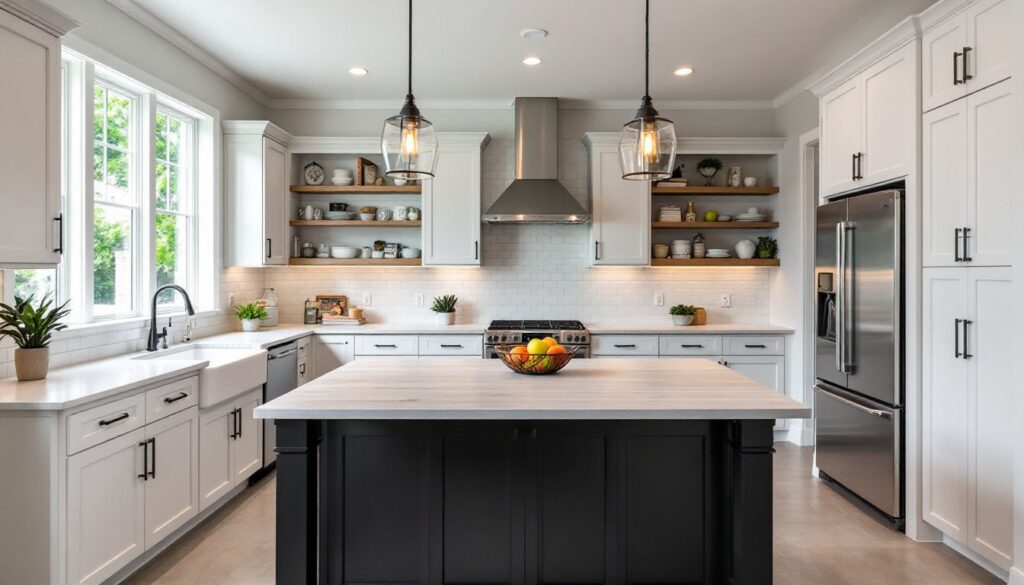
Modern Farmhouse remains dominant in North Texas. Think open shelving, white or cream cabinetry, shiplap accents, and mixed metals. This style works especially well in ranches and newer construction and balances nostalgia with clean lines.
Contemporary features flat-panel cabinetry, minimalist hardware, integrated appliances, and neutral color palettes with bold accent walls or backsplash tile. Popular in urban neighborhoods like Uptown and West 7th.
Transitional splits the difference, traditional bones with modern finishes. Expect frame-and-panel cabinetry, neutral tones, quality hardware, and updated lighting that doesn’t shout trendy.
Shaker-style cabinetry remains timeless and works across neighborhoods. The simple, clean lines and quality joinery appeal to DIYers and design-conscious homeowners alike.
When selecting a style, browse design inspiration on Houzz to identify patterns you’re drawn to, then share those visuals with your contractor. This eliminates guesswork and ensures you’re on the same page about finishes, layout, and details.
Key Features to Prioritize in Your Remodel
With a budget set and a style direction chosen, focus your resources on features that have the highest impact on functionality and resale appeal.
Cabinetry typically consumes 30–40% of a remodel budget. Full custom cabinetry offers tailored storage and premium construction, but semi-custom and stock options deliver good value. Soft-close hinges and drawers are now standard expectations. Interior organization, pull-out shelves, spice racks, utensil dividers, adds real functionality.
Countertops are visible daily and take heavy use. Quartz has become the standard choice: it’s durable, low-maintenance, and available in endless colors. Granite is beautiful but requires sealing. Laminate works for budget remodels but shows wear faster. Budget $50–$150 per square foot installed, depending on material and complexity.
Appliances should match your cooking style and the kitchen’s overall aesthetic. Stainless steel remains popular, though matte black and white finishes are gaining ground. Energy-efficient models save money long-term. An exhaust hood or range hood is non-negotiable for ventilation, especially in Texas summer heat.
Flooring must be durable and easy to clean. Large-format tile (18″ × 36″ or bigger) is popular and hides grout lines better. Luxury vinyl plank (LVP) mimics wood or stone, costs less, and handles moisture better in kitchens. Ensure proper underlayment and slope toward drains if you have an open concept.
Lighting transforms a space. Recessed lights provide general illumination, but pendant lights over an island add style and task lighting. Under-cabinet lighting is practical and affordable. Include dimmer switches for flexibility.
Layout changes require permits and professional work. If you’re moving a sink, stove, or appliance, hire a licensed plumber and electrician. Structural walls (load-bearing) should never be removed without an engineer’s approval and proper support beams.
Finding the Right Contractor in Fort Worth
Fort Worth has no shortage of remodeling contractors, but finding one who’s reliable, licensed, and a good fit for your project takes due diligence.
Start with vetting. Confirm that any contractor holds a current Texas TDLR license (Texas Department of Licensing and Regulation). Check references and recent photos of completed projects. Don’t just browse portfolios, call past clients and ask about timeline adherence, communication, and how issues were handled.
Get multiple quotes. Request detailed bids from at least three contractors. A bid should itemize labor, materials, timeline, and payment schedule. Suspiciously low bids often signal corners being cut or hidden costs later. The cheapest option rarely delivers the best value.
Communication matters. Your contractor should explain the process, timeline, and potential complications upfront. They should be responsive to calls and emails. A good contractor also tells you when something is above their pay grade, for example, structural concerns or complex electrical work.
Permitting and inspections. Confirm your contractor handles permitting or will coordinate with the city. Kitchen remodels that touch plumbing, electrical, or load-bearing walls require inspections. Skipping permits saves short-term hassle but creates liability and resale issues. Licensed contractors build compliance into their pricing.
Payment terms. Never pay the entire cost upfront. A common structure is 50% at the start, 25% at mid-project, and 25% upon completion. Document agreements in writing.
Local resources. Platforms like ImproveNet’s remodeling tools and the Better Business Bureau help you identify vetted contractors and compare estimates. Fort Worth’s active construction community also means you’ll find contractors specializing in the specific style and scope you’re pursuing.
Conclusion
A kitchen remodel in Fort Worth is an investment that pays dividends in both daily enjoyment and resale value. Success hinges on clear planning, realistic budgeting, thoughtful design choices, and partnering with a reputable contractor who understands local codes and your home’s unique characteristics. Take time to visualize your priorities, gather inspiration, and vet your contractor carefully. The result will be a kitchen that works as hard as you do.