Table of Contents
ToggleWhen homeowners decide to invest in luxury home remodeling, they’re not just looking for a quick refresh, they’re planning a transformation that adds real value and function to their living space. Whether it’s a chef’s kitchen, a spa-like bathroom, or custom millwork throughout, premium renovations demand careful planning, quality materials, and skilled contractors who understand high-end finishes. If you’re searching for luxury home remodeling near me, you’ve got questions about cost, quality, and how to find professionals who deliver. This guide walks you through what defines luxury remodeling, how to find the right contractors in your area, trending projects for 2026, and realistic budget planning so you can move forward with confidence.
Key Takeaways
- Luxury home remodeling combines premium materials, superior craftsmanship, and smart home integration—expect costs of $75,000–$150,000 for kitchens and $25,000–$80,000 for bathrooms depending on scope and finishes.
- When searching for luxury home remodeling near you, prioritize contractors with verified licensing, insurance, trade organization membership, and in-person portfolio reviews rather than relying on photos or online ratings alone.
- 2026 trending luxury projects include spa-like bathrooms with radiant floor heating and body jets, mixed-finish kitchens with waterfall islands, and smart home technology like integrated lighting and humidity sensors.
- Allocate a 10–15% contingency reserve in your remodeling budget to cover unforeseen issues like hidden structural damage or material supply changes.
- Get multiple detailed estimates (at least three) that itemize materials, labor, timeline, and warranties—avoid contractors whose bids seem unusually low, as they often recoup costs through change orders.
What Defines Luxury Home Remodeling
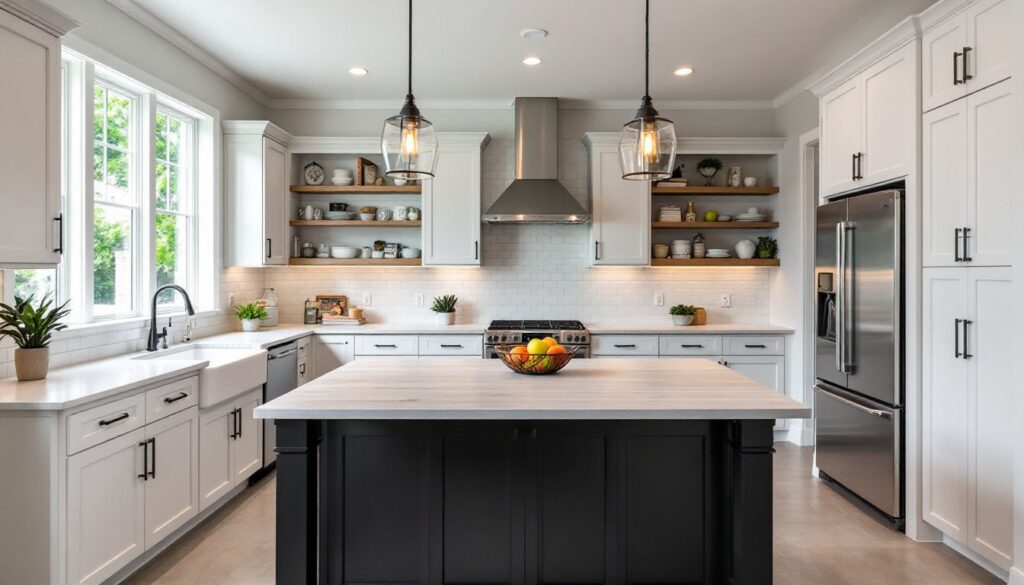
Luxury home remodeling goes beyond cosmetic updates. It combines premium materials, superior craftsmanship, and thoughtful design into functional spaces that stand apart. Think custom cabinetry with soft-close hinges, quartz or marble countertops, heated floors, smart home integration, and high-end fixtures, not knockoffs or builder-grade products.
The difference between standard and luxury remodeling sits squarely in material quality and execution detail. A standard kitchen remodel might use laminate counters and stock cabinets: a luxury kitchen features custom joinery, hardwood boxes with dovetail construction, and natural stone surfaces. Luxury bathrooms include heated towel racks, rainfall showerheads, heated mirrors, and vanities with solid wood frames and premium hardware.
Cost reflects this difference, but so does longevity and performance. Premium materials age better, finishes hold color and sheen longer, and structural work meets or exceeds code with room to spare. This isn’t about status, it’s about selecting materials and trades that actually perform their job beautifully for decades.
Finding the Right Luxury Remodeling Contractors Nearby
Finding a contractor who understands luxury work is crucial. Not every remodeler has the skill or attention to detail that premium projects demand. Start by asking neighbors, friends, and local design professionals for referrals, word-of-mouth matters more than any online review for high-end work.
Search online platforms that specialize in connecting homeowners with local contractors. Sites like Angi help you find local home remodelers with detailed reviews and portfolios specific to luxury work. Regional and national platforms like HomeAdvisor offer cost estimators and contractor matching based on project scope and budget.
Once you have candidates, narrow the list. Request references and contact them directly, ask about timeline adherence, how the contractor handled changes mid-project, and whether they’d hire the same person again. Check licensing and insurance: luxury remodeling often involves structural work, electrical upgrades, and plumbing that require licensed professionals and permits. Ask each contractor for their process: Do they handle permits? Do they subcontract or manage trades in-house? How do they manage communication during the project?
Vetting Credentials and Portfolio Reviews
Look at a contractor’s portfolio in person when possible. Photos lie, finishes, trim quality, and installation details show up differently in real life. Ask to visit a recent project site (with the homeowner’s permission) and inspect the work closely. Pay attention to caulk lines, paint edges, tile grout consistency, and cabinet alignment. These details signal whether the contractor demands precision.
Check credentials: general contractor license, liability insurance, and workers’ compensation coverage should all be current. Some states require additional bonding for jobs above a certain threshold. Ask for proof and verify independently through your state’s licensing board if needed. Ask about membership in trade organizations like the National Association of the Remodeling Industry (NARI) or Kitchen & Bath Industry Show (KBIS), these require continuing education and adherence to professional standards.
Popular Luxury Remodeling Projects for 2026
Right now, homeowners are investing in projects that blend function with wellness and smart home tech. Open-concept layouts remain popular, but closed-off pantries and scullery kitchens are making a comeback, privacy and specialized zones appeal to people working from home.
Sustainability in luxury materials is trending: reclaimed wood, recycled glass countertops, low-VOC paints and finishes, and high-efficiency HVAC systems that don’t compromise on comfort. Outdoor spaces are treated as extensions of the home, covered patios with heating, built-in kitchens, and weatherproof speakers attract serious investment.
Smart home integration matters more each year. Integrated lighting control, temperature zones, water shut-off sensors, and video doorbells aren’t add-ons anymore, they’re expected. Home security, too, has moved beyond basic alarms to camera systems with cloud storage and automated locks.
Kitchen and Bathroom Upgrades
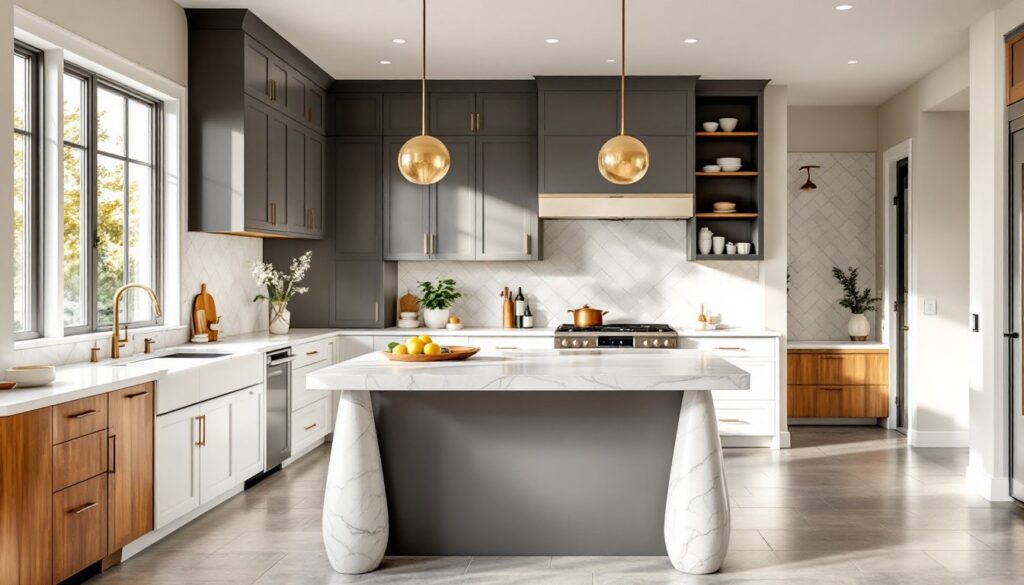
Kitchens remain the primary remodeling focus. Luxury kitchens in 2026 favor mixed finishes over matching, matte and glossy cabinetry combined, contrasting countertop materials, and varied hardware. Waterfall edges on islands (where countertop material wraps down the leg) create high-end visual impact. Multiple prep zones with dedicated storage for specific tasks, knife blocks, spice pull-outs, appliance garages, beat open shelving for daily functionality.
Appliance selection matters. Integrated refrigerators, induction cooktops (faster, more responsive than gas for precision cooking), and convection wall ovens are standard. Dishwashers with soil sensors and quiet operation (under 40 decibels) work without announcement.
Bathrooms trend toward spa-like comfort. Walk-in showers with body jets and steam capability, soaking tubs positioned to windows or features, and dual vanities with separate storage increase usability and resale appeal. Radiant floor heating under tile or stone is no longer novelty, it’s expected in high-end bathrooms. Ventilation matters too: oversized exhaust fans (150+ CFM) with humidity sensors prevent mold and moisture damage in premium finishes.
Budget Planning for Premium Home Renovations
Luxury remodeling costs vary wildly by region, material choice, and scope. A mid-to-high-end kitchen remodel typically runs $75,000–$150,000: bathrooms, $25,000–$80,000 depending on size and finishes. Whole-home renovations can easily exceed $300,000. These are not fixed prices, they’re anchors. Market conditions, material availability, and local labor costs shift the scale.
Build a realistic budget by listing what matters most. Not every surface needs the absolute premium option. Perhaps you invest heavily in kitchen cabinetry and counters but use quality-grade tile in a guest bath. Prioritizing prevents overspend and keeps focus on spaces you use daily.
Get multiple detailed estimates, at least three. Each estimate should itemize materials, labor, timeline, warranty terms, and any contingencies. Watch for estimates that seem too low: contractors who undercut the market often recoup costs through change orders or cut corners. Request renovation cost guides from ImproveNet to benchmark against regional averages and understand what typical projects cost in your area.
Build contingency into your budget. A standard practice is 10–15% contingency reserve for unforeseen issues, hidden rot, electrical problems behind walls, or material changes due to supply issues. Permit costs, inspection fees, and temporary living expenses (if you’re staying in the home during a major remodel) add up fast.
Financing options include home equity lines of credit (HELOCs), home equity loans, or cash-out refinancing. Each has different rates, terms, and tax implications. Consult a financial advisor or mortgage lender before committing. If you’re in the planning stages, understanding your financing options early prevents surprise obstacles mid-project.
Conclusion
Luxury home remodeling is an investment in quality, function, and your home’s long-term value. Success depends on finding contractors who prioritize detail, selecting materials suited to your climate and lifestyle, and planning realistically for cost and timeline. Take time to vet credentials, review portfolios in person, and get clear written estimates. If you’re ready to start exploring options in your area, contact Luxury AVE or reach out to local contractors who specialize in high-end work. The right team makes the difference between a project you’re proud of and one you’ll regret.