Table of Contents
ToggleLake Dallas Tiny Home Village represents a shift in how Texas homeowners think about space, affordability, and community living. Nestled in the heart of North Texas, this emerging neighborhood offers an alternative to sprawling suburban developments and the rising costs of traditional single-family homes. Whether you’re a first-time buyer, a downsizer, or someone seeking a lower-maintenance lifestyle, the tiny home movement in Lake Dallas is worth understanding. This guide walks you through what the village offers, who it’s right for, and what to expect if you’re considering making the move.
Key Takeaways
- Lake Dallas Tiny Home Village offers entry-level homes starting at $180,000–$220,000, roughly 50–60% less than median Dallas home prices, making it an affordable option for first-time buyers and downsizers.
- The tiny home community features intentional walkability, shared green spaces, and strong neighborhood design that reduces isolation and encourages resident engagement compared to traditional sprawling subdivisions.
- Monthly housing costs are significantly lower in Lake Dallas tiny homes, with mortgage payments around $900–$1,100, utilities of $60–$120, and combined HOA fees of $150–$300, freeing up money for other priorities.
- Lake Dallas Tiny Home Village prioritizes energy efficiency and low maintenance through sealed crawlspaces, smart insulation, and durable materials suited to North Texas weather, reducing long-term costs and environmental impact.
- The tiny homes are best suited for first-time buyers, retirees, remote workers, and downsizers, but may not be ideal for large families, serious hobbyists, or those who frequently host large gatherings due to limited square footage.
What Is Lake Dallas Tiny Home Village?
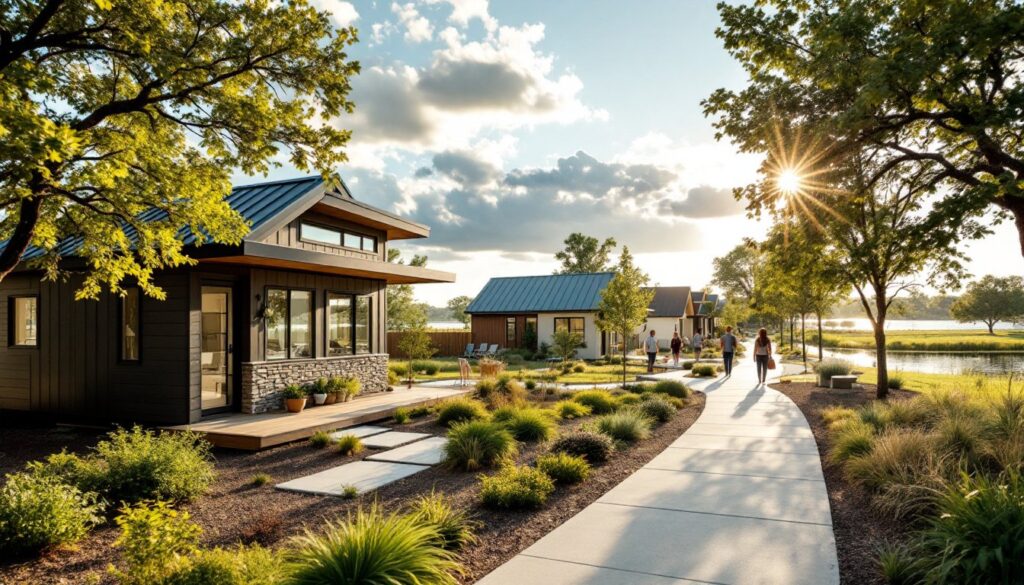
Lake Dallas Tiny Home Village is a planned community near the Dallas-Fort Worth metro area that focuses on small, efficient homes, typically ranging from 600 to 1,200 square feet, paired with shared community spaces and modern infrastructure. Unlike scattered tiny home developments, this village is designed as a cohesive neighborhood with intentional walkability, common areas, and deed restrictions that maintain property values and community standards.
The homes themselves are often prefabricated or semi-custom builds that emphasize open floor plans, multipurpose rooms, and smart storage solutions. You’ll find one- to three-bedroom layouts depending on the model, with most units featuring energy-efficient appliances, modern HVAC systems, and durable exterior finishes suited to North Texas weather. Lot sizes typically range from 0.15 to 0.35 acres, allowing for small yards while keeping the footprint compact.
What distinguishes Lake Dallas from other tiny home communities is its emphasis on neighborhood character. Developers have incorporated tree preservation, native landscaping, and pedestrian-friendly pathways. Many residents cite the sense of community and lower isolation risk compared to standalone tiny homes scattered throughout rural Texas.
Why Tiny Homes Are Becoming Popular Among Texas Homeowners
Texas housing costs have climbed sharply over the past five years, pricing out first-time buyers and retirees on fixed incomes. A typical single-family home in the Dallas metro area now exceeds $400,000, a figure that’s pushed many toward alternative solutions. Tiny homes offer entry-level pricing without the compromise on quality or location.
Downsizing is also reshaping Texas demographics. Baby boomers are shedding large family homes and yard maintenance responsibilities. Young professionals, tired of 30-year mortgages and two-hour commutes, are exploring denser, walkable neighborhoods. Millennials facing student debt are drawn to homes with lower purchase prices and utility bills.
Environmental consciousness plays a role too. Smaller homes consume less energy, require fewer building materials, and generate a lighter carbon footprint. Homeowners in North Texas are increasingly aware of water restrictions and summer cooling costs, tiny homes with proper insulation and shade design address both concerns. The practical appeal is straightforward: less house to maintain, lower property taxes, and easier monthly payments free up money for other priorities.
Community Amenities and Lifestyle Benefits
Lake Dallas Tiny Home Village isn’t just a collection of small lots, it’s a planned community with shared infrastructure and gathering spaces. Most phases include a central green space, a pocket park with seating and landscaping, and walking trails that loop through the neighborhood. Some developments have added community gardens, reflecting residents’ interest in food production and outdoor engagement.
Walkability is a core design principle. Homes are situated close enough that residents can reach a coffee shop, small retail, or parks on foot without driving. This reduces vehicle dependency and encourages neighborhood interaction, something many suburban developments fail to achieve. Residents report feeling less isolated and more connected to neighbors than in traditional sprawling subdivisions.
Fitness and recreation amenities vary by phase but often include outdoor fitness stations, dog parks, and gathering pavilions. Access to Lake Dallas itself, for fishing, kayaking, and boating, adds outdoor recreation value that appeals to active residents. The village also prioritizes natural features: home design trends in, and Lake Dallas developers have retained mature trees and green corridors rather than clear-cutting lots.
Affordability and Financing Options for Buyers
Entry-level pricing is the headline draw. As of 2026, Lake Dallas tiny homes start in the $180,000–$220,000 range, depending on finishes and lot location. That’s roughly 50–60% less than median home prices in Dallas proper. Monthly mortgage payments for a $200,000 home with a 20% down payment run approximately $900–$1,100 before taxes and insurance, well below regional averages for any traditional home.
Down payments and financing work like any conventional mortgage. You’ll want a 10–20% down payment to avoid PMI, though some lenders offer tiny home-specific programs with 5% options. FHA loans are common in this price range, and some Texas credit unions offer favorable rates for first-time tiny home buyers. VA loans work here too, making it attractive to military families.
Property taxes and HOA fees deserve attention. Most Lake Dallas phases include HOA fees ranging from $150–$300 monthly: these cover common area maintenance, landscaping, and amenities. Property taxes depend on your specific lot and school district, but expect roughly $80–$120 monthly on a $200,000 home in the Lake Dallas area. Utilities, electric, water, and gas, are notably lower in tiny homes: residents typically report $60–$120 monthly combined, compared to $180–$250 in conventional homes. The long-term savings add up quickly, and strategies for managing down payments can help first-time buyers prepare financially.
Design and Layout Features of Lake Dallas Tiny Homes
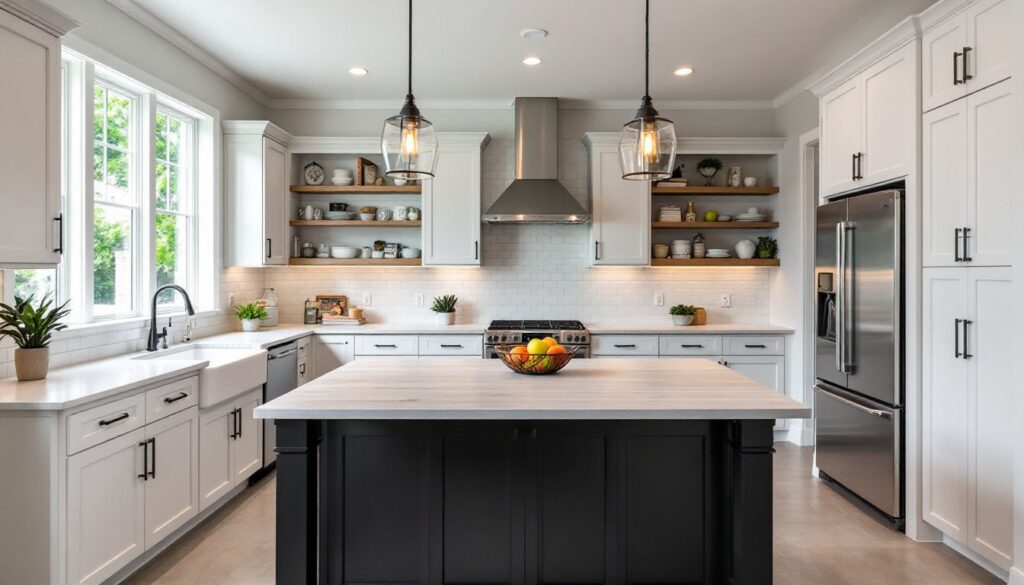
Most Lake Dallas units follow an open-concept floor plan that makes 700 square feet feel larger than it is. High ceilings, abundant windows, and minimal interior walls maximize light and perceived space. A typical layout might include a combined living–dining area, a kitchen with island or breakfast bar, one to two bedrooms, and 1.5 baths. Bedrooms are modest but functional: think 10′ × 12′ master with a walk-in closet, not sprawling en-suites.
Storage is engineered thoughtfully. Built-in shelving, pantry systems, and under-stair storage reclaim dead space. Many units feature Murphy beds or loft bedrooms, especially in higher-priced models, allowing flexibility in how space is used. Kitchens are compact but equipped: you’ll find gas ranges, dishwashers, and microwave drawers, though square footage means fewer upper cabinets than traditional homes.
Materials reflect durability and low maintenance. Exterior finishes include metal roofing, fiber cement siding, and stone accents, all chosen for Texas weather resistance and longevity. Interiors favor vinyl plank flooring, quartz countertops, and drywall finished to standard code. Energy efficiency is built in: most homes have sealed crawlspaces, R-19 wall insulation, and HVAC systems sized for efficient operation in small volumes. Small space living solutions emphasize similar principles, and Lake Dallas builders apply that thinking to every detail.
Is Lake Dallas Tiny Home Village Right for You?
Ask yourself a few honest questions. Do you entertain large groups regularly? Tiny homes have limited dining and living room space. If holiday gatherings with 20 people are essential, you’ll be outdoors or in the common areas, which can work, but it’s not the same as hosting inside. Are you comfortable living in close proximity to neighbors? Lot lines are tighter, and sound travels more readily in smaller homes.
Tiny homes suit downsizers, first-time buyers, retirees, and remote workers seeking low-cost, low-maintenance housing. If you own multiple vehicles, have a large collection of hobbies requiring storage, or work with clients in your home office, the square footage constraints merit serious thought. Some Lake Dallas phases offer small garages or carports, but parking is tighter than suburban sprawl.
Visit the village during different times, weekday mornings, weekend afternoons, evenings. Talk to current residents about noise, community engagement, and utility costs. Many developers offer model home tours with walkthroughs of actual floor plans. Don’t skip the fine print: HOA rules, deed restrictions, and future development plans shape long-term satisfaction. Southern home design principles often emphasize community and outdoor living, values that Lake Dallas embodies, but verify that the community culture aligns with your lifestyle before committing.
Conclusion
Lake Dallas Tiny Home Village is a practical answer to Texas’s housing affordability crisis, offering real homes in a real community rather than isolated curiosities. It’s not a perfect fit for everyone, large families, serious collectors, and people who crave spacious entertaining areas should think twice. But for first-time buyers, downsizers, and those prioritizing location and affordability over square footage, it’s worth serious consideration. Visit the village, run the numbers, and ask the hard questions about lifestyle fit. The tiny home movement isn’t a trend: it’s a rational response to market realities and changing housing values in Texas.