
When it comes to homeowners, there’s a one burning question: does my mortgage pay my property taxes? Spoiler alert: the answer might not be what you think. Navigating the world of mortgages and property taxes can feel like trying to solve a Rubik’s cube blindfolded. But don’t worry. With a pinch of humor and a clear understanding, you’ll quickly grasp how these financial factors work together, at least, until your next surprise tax bill. So, let’s immerse and demystify these concepts, shall we?
Understanding Mortgage Payments
When a homeowner thinks of their mortgage payment, they often focus on the monthly numbers that come due. But what makes up that number? Let’s break it down, shall we?
Components of a Mortgage Payment
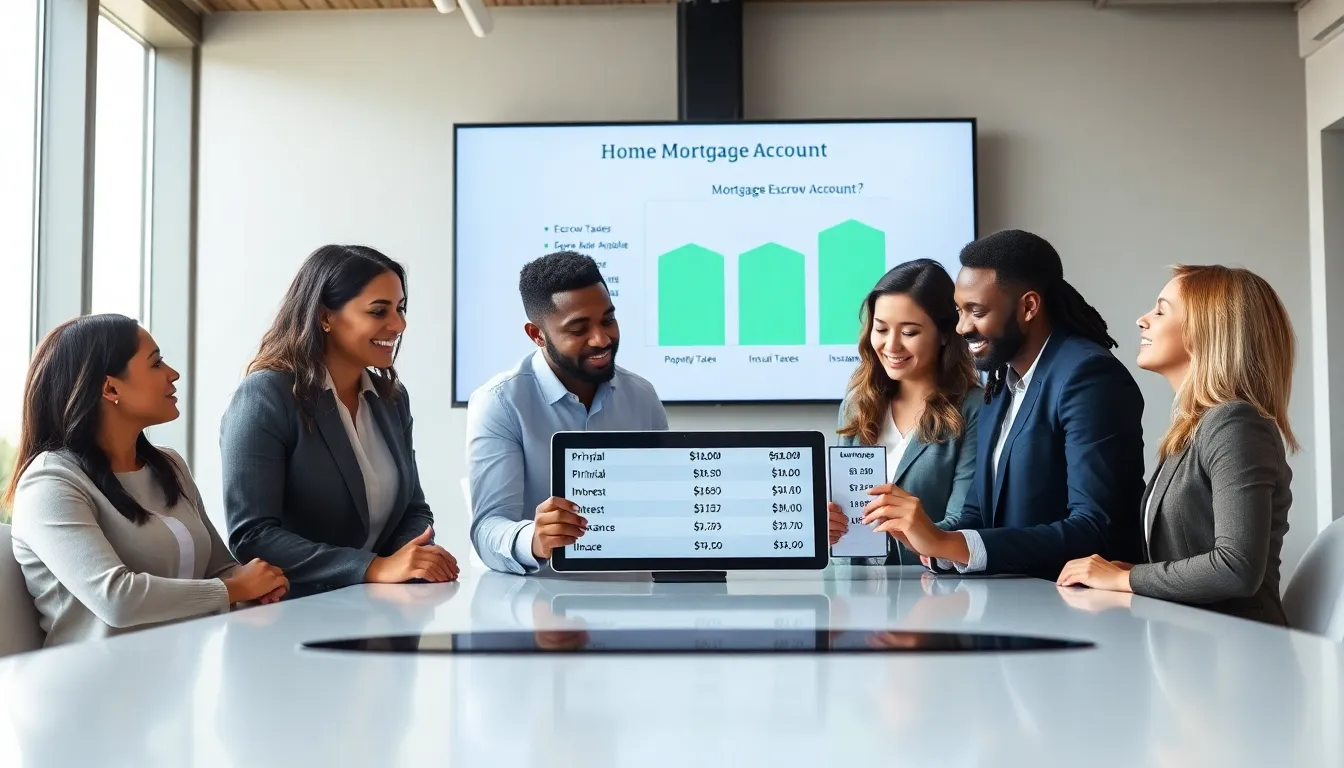
Mortgage payments typically consist of four main components, often referred to as PITI. Yes, it sounds like a baby’s first word, but it’s quite significant.
Principal: This is the actual loan amount you borrowed. Think of it as the initial sum that got you the keys to your new home.
Interest: This is essentially the ‘thank you’ fee you pay your lender for the privilege of borrowing their money. Interest rates can fluctuate, so keeping an eye on them is a smart move.
Taxes: Yes, property taxes can sneak into your monthly payment. Some lenders require these to be included, which brings us to the next point.
Insurance: Homeowners insurance protects your investment against damage or loss. Some lenders might also add private mortgage insurance (PMI) if your down payment is less than 20%.
Escrow Accounts Explained
Ever heard the term escrow? It sounds fancy and official, doesn’t it? An escrow account is where your lender might hold money for property taxes and insurance. They take a portion of your monthly payment and deposit it into this account. When tax or insurance bills come due, the lender pays them from the escrow. It’s like having a savings account specifically for those pesky bills. This option ensures homeowners aren’t blindsided when taxes are due, but it does mean you may be paying more upfront.
The Role of Lenders in Property Taxes
Understanding how lenders interact with property taxes is crucial for any homeowner. It’s like understanding that your car’s engine runs your vehicle: knowing how financing works keeps your financial engine going smoothly.
How Property Taxes Are Calculated
Property taxes might feel like an abstract concept, but they’re based on the assessed value of your home and the local tax rate. Imagine you own a gorgeous home valued at $300,000 in an area where the tax rate is 2%. You’d be looking at an annual tax bill of around $6,000, yikes. Local governments rely on these taxes for essential services, so they’re typically calculated each year.
Local Government Requirements
Every town has its own rules about property taxes. Some homeowners may receive exemptions based on factors like age, disability, or veteran status. It’s worth checking what’s available in your local area: you might just save some cash. Lenders are usually aware of these exemptions and may adjust expectations accordingly when evaluating a mortgage application.
Implications If Taxes Are Not Paid
Forgetting or neglecting to pay property taxes can be a homeowner’s worst nightmare. It’s like neglecting to feed your pet, eventually, consequences will arise.
Consequences of Unpaid Property Taxes
If property taxes remain unpaid, the government can place a lien on your home, which is essentially a legal claim against your property until owed taxes are settled. This situation escalates quickly, potentially leading to foreclosure. Imagine losing your beloved home over a few missed payments. Plus, interest and penalties can add up, making a bad situation even worse.
Recourse for Homeowners
If a homeowner finds themselves in trouble with unpaid property taxes, there are typically local resources available for assistance. Some jurisdictions offer payment plans or compassion programs for those who qualify. Reaching out to a local tax office might provide options that keep the eviction notice at bay. You may want to explore options such as a tax deferral, which allows you to postpone payments until you’re in a better financial position.
Options for Managing Property Taxes
Managing property taxes shouldn’t feel like trying to find Bigfoot, there are practical and straightforward ways to handle them.
Paying Taxes Separately
Some homeowners prefer to pay property taxes as a separate expense rather than through escrow. While this requires diligent budgeting, it gives homeowners more control over when payments are made. Just remember to stay organized. Nothing screams stress like realizing your taxes are due tomorrow and you forgot to save for them.
Adjusting Your Mortgage Payment
If budgeting becomes overwhelming, there are options to adjust your mortgage payment. Some lenders may allow borrowers to lower their payments temporarily if they can demonstrate a financial need. This adjustment can also free up some funds to cover those pesky property taxes.