Table of Contents
ToggleCostco has expanded beyond grocery runs and bulk office supplies, the membership warehouse giant now offers tiny homes that are turning heads in the affordable housing market. As housing costs continue to climb across most of the country, tiny homes have become an intriguing alternative for budget-conscious homeowners, remote workers, and downsizers looking to simplify. Costco’s entry into this space brings the company’s hallmark reliability and bulk-buying efficiency to residential construction. But before you add a tiny home to your cart, it’s worth understanding what Costco offers, how these units compare to traditional homes, and whether a tiny home lifestyle actually fits your needs and local regulations.
Key Takeaways
- Costco tiny homes range from $40,000 to $80,000 for base units, but total installed costs including foundation, utilities, and permitting typically run $50,000–$100,000, still significantly cheaper than traditional homes.
- Costco tiny homes are factory-built, permanent dwellings between 375–500 square feet with standard floor plans and limited customization options for finishes, designed to maximize usable space efficiently.
- Financing tiny homes differs from traditional mortgages: lenders often treat them as personal property loans with 1–3% higher interest rates, 15–20 year terms, and 10–20% down payment requirements.
- Before purchasing, verify local zoning laws and building codes with your jurisdiction, as many areas restrict tiny homes to specific zones or require ADU permits, and some HOAs forbid them entirely.
- Tiny homes consume 50–150 dollars per month in utilities and have a lighter carbon footprint than traditional houses, with many units exceeding Energy Star standards through high-efficiency HVAC and well-sealed thermal envelopes.
- Tiny homes don’t appreciate at the same rate as traditional homes, so resale demand is narrower and timelines longer—ensure small space living aligns with your long-term lifestyle goals before committing.
What Are Costco Tiny Homes?
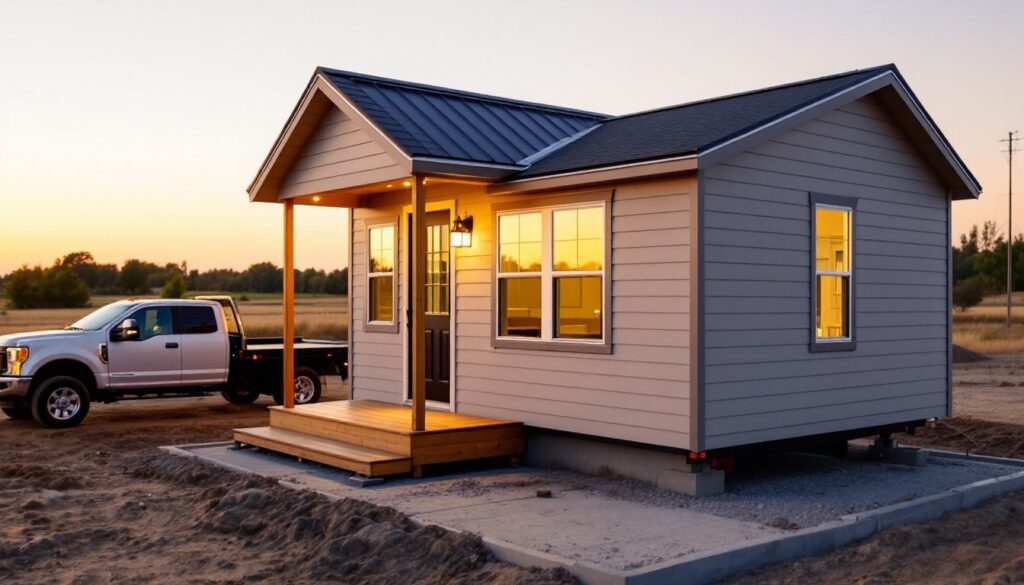
Costco’s tiny home offerings are factory-built residential units designed to be affordable, sustainable, and move-in ready. Unlike a custom home built from scratch, these are manufactured structures, typically between 375 and 500 square feet, that arrive largely finished or semi-finished. They’re not RVs or mobile homes in the traditional sense: they’re permanent dwellings engineered to meet residential building codes.
The units come with basic structural components, electrical rough-in, plumbing, and insulation already installed. Homeowners can choose from a few standard floor plans or work with Costco representatives to customize layout options within certain parameters. Think of it as a prefab home with the warehouse’s focus on standardization and cost control built into the design process.
These homes appeal to a specific crowd: young professionals entering the housing market for the first time, empty nesters looking to downsize, and communities seeking affordable workforce housing. Costco markets them as an accessible entry point to homeownership, which is why the price tag and all-in-one purchase model grab so much attention.
Key Features and Design Specifications
Costco tiny homes pack thoughtful engineering into a compact footprint. Most units feature a single open living area that doubles kitchen, dining, and living space, a layout that maximizes usable square footage without wasting room on hallways. Full bathrooms (usually one, sometimes 1.5 on larger models) include standard fixtures and adequate ventilation. Bedrooms are snug but furnished with closets and windows: expect a master bedroom around 120–150 square feet and secondary bedrooms at 80–100 square feet.
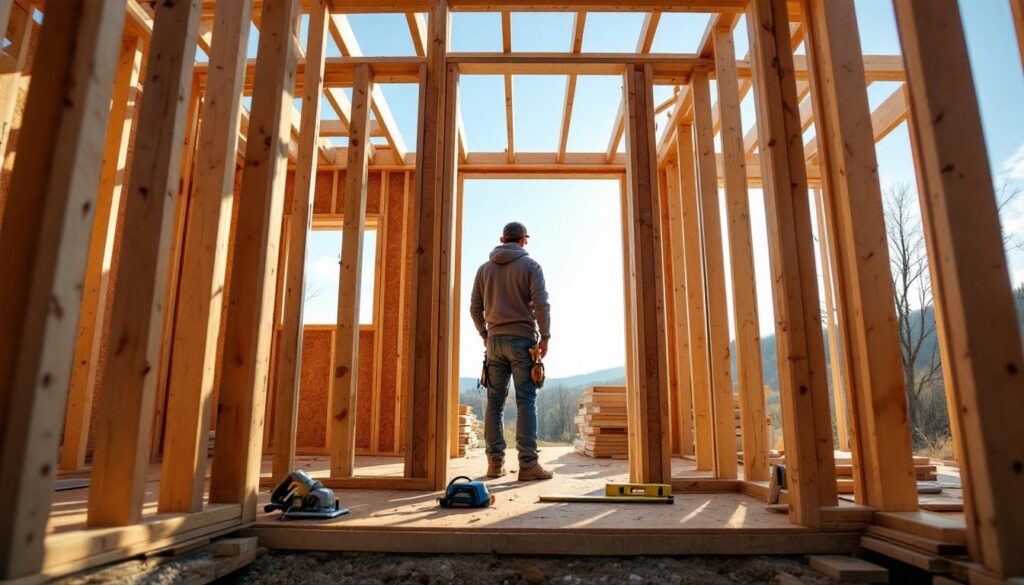
Wall construction typically uses standard 2×4 wood framing with fiberglass or rigid foam insulation. Exterior cladding options range from vinyl siding to composite materials, durable finishes that resist weather without high maintenance. Roofing is usually a pitched design with asphalt shingles, sloped to shed water and snow properly.
Electrical systems come roughed-in with 100-amp or 200-amp service, depending on the unit. This is important: tiny homes use less power than large houses, but you’ll still need adequate capacity for modern appliances and climate control. HVAC systems are typically high-efficiency units sized for the compact space. Plumbing runs efficiently to minimize pipe runs and waste.
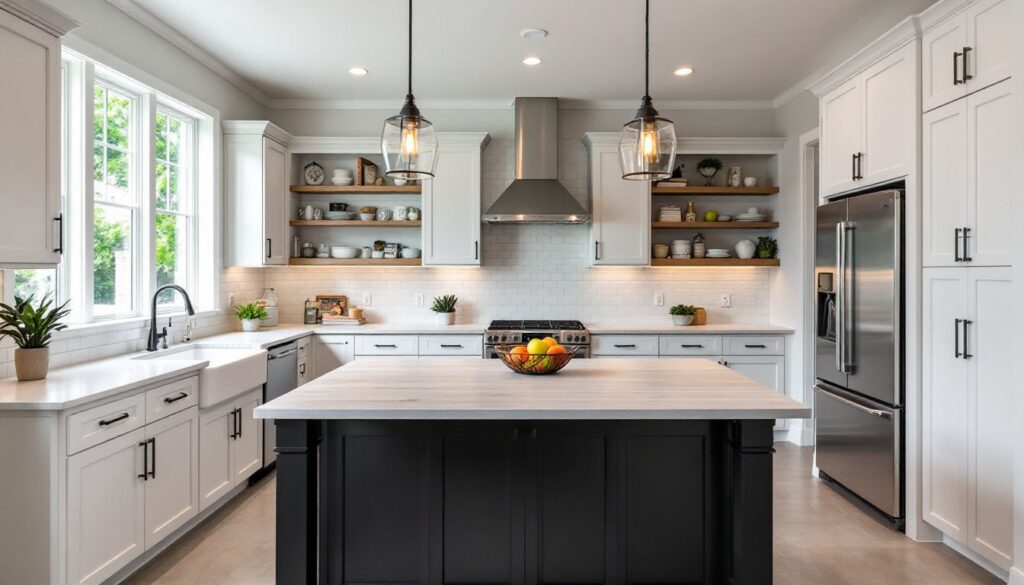
Interior finishes include vinyl flooring, basic cabinetry, and modest countertops, nothing luxury, but solid construction. Windows are often double-pane for better insulation. The design philosophy is function over frills, which keeps costs down and energy efficiency up.
Pricing and Affordability Compared to Traditional Homes
Costco tiny homes typically range from $40,000 to $80,000 for a base unit, depending on size and customization. Compare that to the median U.S. home price hovering around $420,000, and the savings look dramatic on paper. For a homeowner with a modest down payment and credit-worthy financials, a tiny home can mean crossing into homeownership years earlier than a traditional purchase.
But, the sticker price isn’t the whole picture. You’ll need a level lot (grading costs money), utility connections (water, sewer, electrical hookups run $2,000–$10,000 depending on distance), and foundation work (either a concrete pad or piers, typically $3,000–$8,000). Permitting and inspection fees vary wildly by jurisdiction but can add $500–$3,000. Siting and delivery alone can be $2,000–$5,000.
All told, expect $50,000–$100,000 in total costs to get a tiny home standing on your land and ready to move in. That’s still significantly cheaper than a traditional home, but it’s not a $40,000 impulse purchase. Also worth noting: tiny homes don’t appreciate at the same rate as traditional homes in most markets. Resale demand is narrower, so you may face a longer sales timeline if you later want to upgrade. Understand small space living ideas and your long-term plans before committing.
Customization and Building Options
Costco offers limited but meaningful customization. You can typically choose from 2–4 base floor plans, and then adjust interior finishes: cabinet colors, countertop materials, flooring options, and paint colors. Some customers upgrade to higher-grade appliances or add features like a washer-dryer hookup.
What you can’t easily do is radically change the footprint or structural layout. The homes are engineered for efficiency and manufacturability, which means adding a bedroom or expanding the kitchen mid-production isn’t practical, the cost and timeline quickly approach building a custom home from scratch.
The manufacturing process is streamlined: units are built in a controlled factory environment with quality checks at multiple stages. This typically means better workmanship and fewer weather delays compared to on-site framing. Delivery happens on flatbed trucks, so the unit arrives 90% complete. Final assembly, utility connections, and inspections happen at your site.
You’ll need a licensed contractor or general builder to handle foundation work, site prep, delivery logistics, final hookups, and permitting. Costco doesn’t manage the entire build: they supply the home shell and coordinate delivery, but local site work and approvals fall on you. This is where permits and building department jurisdiction matter enormously.
Financing and Ownership Considerations
Financing a Costco tiny home is different from a traditional mortgage. Most lenders treat them as personal property loans rather than real estate mortgages because the home may be on land you don’t own, or because some jurisdictions classify factory-built homes differently. Interest rates and terms are typically less favorable than a conventional home loan, expect rates 1–3 percentage points higher and loan terms of 15–20 years instead of 30.
A few credit unions and online lenders specialize in tiny home financing, so shop around. Some Costco members qualify for member-exclusive loan programs. Down payment requirements are often 10–20% of the purchase price, so you’ll still need liquid funds.
Ownership also hinges on land ownership. You need to own or have long-term rights to the land where the tiny home sits. Zoning and local codes are critical: many jurisdictions restrict tiny homes to specific zones or require ADU (accessory dwelling unit) permits. Some HOAs explicitly forbid them. Before you buy, contact your local building department and confirm that a tiny home is allowed on your intended lot. This is non-negotiable, you don’t want to purchase a home and discover it’s not legal to place it where you want.
Property taxes are lower than traditional homes because the assessed value is lower. But, you may pay annual registration or mobile home taxes in some states, so clarify with your tax assessor. Understand down payment strategies to plan your financing approach.
Sustainability and Energy Efficiency
Tiny homes are inherently more sustainable than sprawling houses. Lower square footage means less energy to heat and cool, fewer materials in the building envelope, and a lighter carbon footprint during manufacturing and delivery. Costco’s factory-built approach also minimizes construction waste compared to traditional on-site framing.
Many Costco tiny homes meet or exceed Energy Star standards with high-efficiency HVAC systems, well-sealed thermal envelopes, and optional solar-ready roof designs. Some units include LED lighting throughout and energy-efficient water heaters. The compact design naturally encourages efficient living, less space to heat means lower utility bills, typically $50–$150 per month depending on climate and usage.
If you’re interested in off-grid living, some buyers add solar panels and battery storage after purchase, though that’s a separate investment ($8,000–$15,000+). Water harvesting and composting are also feasible in tiny home setups if you’re committed to minimalist sustainability. For decoration and organization, budget-friendly makeovers can help you make the most of your compact interior without wasting resources.
Conclusion
Costco tiny homes represent a genuine shift in accessible homeownership, offering an affordable, manufactured alternative to traditional construction. They’re well-engineered, move-in ready, and sustainably designed, making them a smart choice for the right buyer. That said, they’re not a silver bullet. Success depends on land availability, zoning compliance, honest financial planning, and a realistic lifestyle fit. Before you commit, verify local regulations, confirm financing options, and calculate total installed costs including site work. For homeowners ready to downsize or enter the market affordably, a Costco tiny home can deliver solid value.