
Table of Contents
ToggleTwo-story tiny homes have become a smart answer for homeowners seeking more living space without the sprawl. Whether driven by affordability, sustainability, or simply wanting to downsize, more people are choosing vertical designs that pack square footage where it counts. A well-planned 2-story tiny home doesn’t feel cramped, it feels intentional. The key is understanding how to layer your layout, manage traffic flow, and make every wall count. This guide walks through the practical decisions that transform a modest footprint into a home that actually works.
Key Takeaways
- A 2-story tiny home (400–800 sq ft) maximizes living space vertically by separating main living areas downstairs from bedrooms upstairs, improving daily comfort and noise control.
- Staircase placement is critical—position it against an exterior wall to preserve central living space, and consider spiral or alternating-tread stairs if you need to save 30 square feet versus traditional runs.
- Aim for 9-foot ceilings on the first floor and open floor plans with clear sightlines to make a 2-story tiny home feel spacious rather than cramped.
- Vertical storage through floor-to-ceiling shelving, wall-mounted fixtures, and custom built-ins should be a priority, as they reclaim otherwise wasted wall space.
- Light-colored, matte finishes and unfinished wood visually expand the space, while understairs storage and pocket doors add functionality without sacrificing flow.
- The vertical design approach reduces your ecological footprint, costs less than sprawling traditional homes, and forces intentional conversations about what you truly need to live well.
What Are Two-Story Tiny Homes and Why They’re Growing in Popularity
A two-story tiny home typically ranges from 400 to 800 square feet across two levels, think of it as a single-family house compressed vertically. Unlike traditional tiny homes that stay at one story, adding height lets you keep a main living level on the ground floor (kitchen, living room, entry) while sleeping and storage move upstairs. This separation actually improves daily life: your noise-sensitive bedroom isn’t directly above your workout area or home office.
Why are homeowners going this route? Cost is the obvious draw. A 500-square-foot two-story home on a modest lot costs far less than a sprawling 1,200-square-foot ranch on a larger property. But there’s more to it. Vertical living reduces your footprint, literally and ecologically. Families downsize intentionally, couples build guest quarters without sprawl, and investors find them easier to place on tight urban or suburban lots.
The movement also reflects changing attitudes about material possessions. Living in a smaller space forces honest conversations about what you actually need, and many find that liberating rather than limiting. Resources like HGTV’s tiny home collection showcase how builders are pushing design boundaries, proving that small doesn’t mean simplistic.
Design Considerations for Vertical Living
Designing a two-story tiny home requires rethinking conventional layouts. The goal is flow, not just fitting things into square feet.
Staircase Placement and Space Efficiency
Your staircase is the single largest design element in a tiny home, it can eat 60–100 square feet of floor space if positioned poorly. The best placement is against an exterior wall or at the home’s edge, not the visual center of your main living area. A quarter-turn or L-shaped staircase occupies less footprint than a traditional straight run while adding visual interest.
Consider spiral stairs or alternating-tread stairs (also called ship’s stairs) if you’re truly space-constrained. These occupy roughly 30 square feet instead of the typical 50+. The tradeoff: they’re trickier to use, harder to move furniture up, and not ideal if mobility is a concern. For most two-story tiny homes, a compact conventional staircase is the safest bet.
Understairs storage is non-negotiable. Build shelving, a closet, or even a small laundry nook under the run, this redeems wasted dead space and keeps your main living area uncluttered.
Ceiling Heights and Open Floor Plans
Tiny homes need breathing room visually, and ceiling height is your biggest tool. Aim for 9-foot ceilings on the first floor if your building footprint allows: it transforms the experience of the space. The second floor can drop to 8 feet over half the room (sloped ceilings over bedrooms) while keeping clearance at 7 feet minimum along walking paths, this satisfies codes and feels less cave-like.
Open floor plans on the ground level extend perceived space. Instead of walling off a tiny kitchen, use a low-height peninsula or breakfast bar to define the space without a full wall. Keep sight lines clear from the entry to the back of the home. Avoid corner doorways and unnecessary interior walls that chop up sightlines.
Upperstairs, bedrooms can afford to be more compartmentalized since people spend less active time there. But don’t wall off a tiny bedroom completely, a partial sliding barn door or pocket door still defines the space while allowing light and air to move through. Real Small Space Living solutions, like those outlined on Apartment Therapy, often rely on these visual-separation techniques.
Interior Design Tips for Two-Story Tiny Homes
Once the bones are in place, how you finish the interior makes the difference between cramped and cozy.
Making the Most of Vertical Storage
Walls are your best friend in a tiny home. Install floor-to-ceiling shelving wherever possible, above doorways, flanking windows, inside closets. A 12-foot wall with shelves running its full height holds what might otherwise require an entire second bedroom.
Custom built-ins beat freestanding furniture. A carpenter can fit shelving around quirks, sloped ceilings, odd corners, areas under knee walls, that standard bookcases ignore. The upfront cost is real, but the return in usable storage often justifies it.
Think vertical in the bedroom too. Wall-mounted nightstands, floating desks, and overhead storage racks above the bed keep floor space open for movement. Platform beds with drawers underneath steal storage without adding footprint.
Hang things, pots, coats, bags, tools, rather than storing them in bins on the floor. Pegboard, wall hooks, and magnetic strips are DIY-friendly and cost less than built-ins while still claiming unused vertical space. Even in a tiny home, the first 6 feet of wall is where people live: use the 6–12 foot band above.
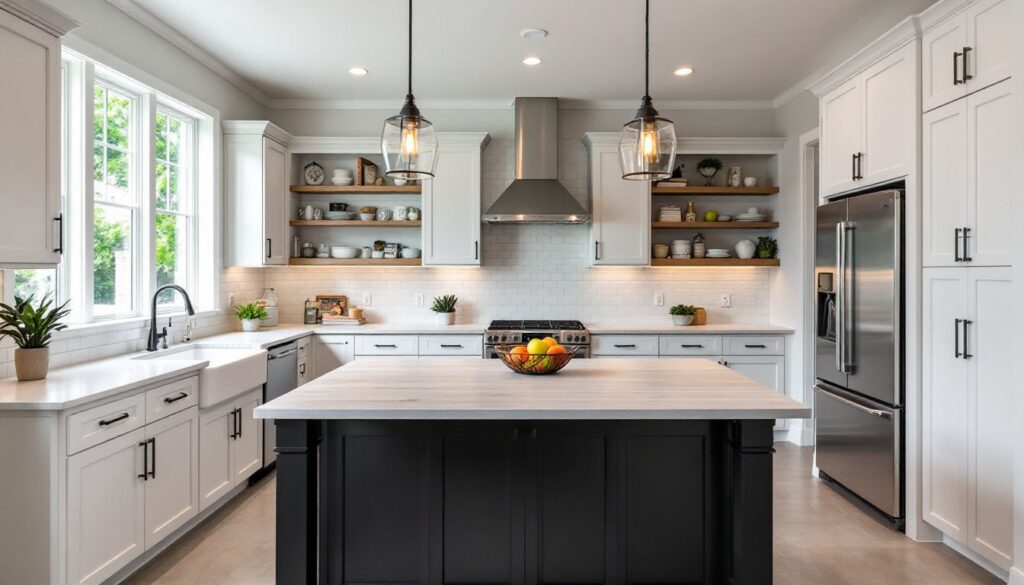
Kitchens benefit from tall cabinet runs and high shelving for items used less frequently. Pull-out drawers and sliding shelves inside cabinets make deep storage accessible without the clunk of digging around. An open shelving wall in a kitchen sounds risky for a tiny home, but one 24-inch-wide open shelf above the sink or stove breaks up visual weight and displays functional items (everyday dishes, glasses) that would otherwise hide in cabinets.
Color and material choices affect perception too. Light, matte finishes on walls and ceilings feel airier than dark or glossy ones. Unfinished wood or white subway tile in key areas pull the eye upward and outward. The tiny home movement has inspired ingenious storage solutions, as documented in Real Simple’s tiny home guides, which break down specific storage hacks by room.
Conclusion
Building or renovating a two-story tiny home is a deliberate design exercise, not a budget hack. It demands thoughtful floor planning, smart staircase placement, and strategic use of every inch. The payoff is a home that doesn’t feel like a compromise, it’s a choice. Whether you’re drawn to tiny living for financial reasons, environmental values, or simply because you want a home that matches how you actually live, the vertical approach gives you real livability in a compact footprint. Start with traffic flow and natural light, add vertical storage relentlessly, and the rest follows naturally.