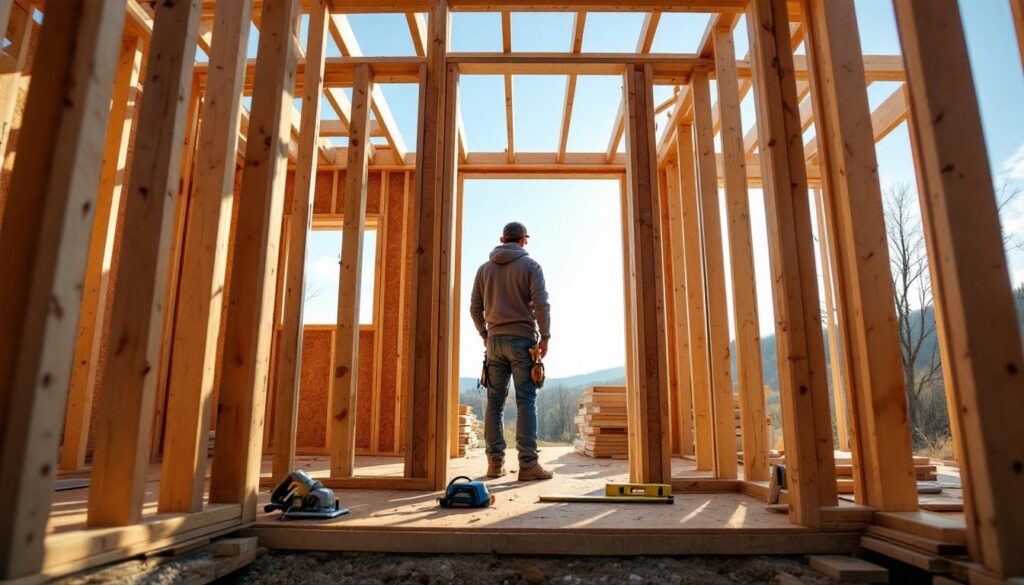

Building your dream home is like assembling a giant puzzle—exciting yet daunting. Enter the construction-to-permanent loan, the superhero of financing that swoops in to save the day. This nifty option transforms your vision into reality by covering both the construction phase and the permanent mortgage in one fell swoop. No need to juggle multiple loans like a circus performer; this approach simplifies the process and keeps your sanity intact.
Imagine sipping coffee in your cozy new home instead of stressing over loan applications and interest rates. With a construction-to-permanent loan, you can focus on picking paint colors and perfecting your backyard BBQ setup. This financing option not only streamlines your journey but also helps you save time and money. So why not dive into the world of construction-to-permanent loans and turn your dream home into a reality?
Overview of Construction-to-Permanent Loans
Construction-to-permanent loans function as a single financing solution for the construction and permanent mortgage phases of home building. By securing this loan, homeowners avoid the need for multiple loans, thus streamlining the financing process. This approach reduces paperwork and the associated stress of managing different lenders and interest rates.
Lenders typically offer competitive rates for construction-to-permanent loans, making them an appealing choice. Borrowers generally start with a lower interest rate during the construction phase, which then transitions to a fixed rate for the permanent mortgage. This structure provides financial predictability long term.
Approval processes often require detailed plans and budgets. Borrowers need to present plans to the lender to gain approval for the loan. Consequently, having a clear timeline and budget in place enhances the chances of obtaining the necessary funding.
Flexible payment options exist during the construction phase. Borrowers often make interest-only payments while the home is being built, helping manage cash flow. This feature can significantly ease financial pressure during the construction process.
Many borrowers appreciate that construction-to-permanent loans adapt to various building projects. Whether constructing a custom home or implementing significant renovations, this loan type accommodates diverse needs. Overall, using this financing option can simplify the journey of turning a dream home into a tangible reality.
Benefits of Construction-to-Permanent Loans
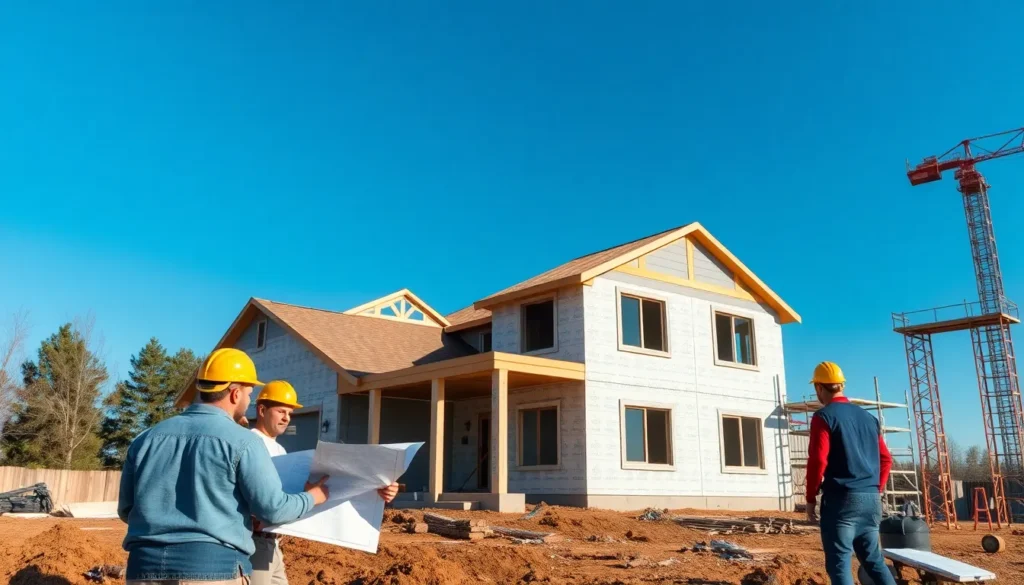
Construction-to-permanent loans offer several advantages, making them an attractive financing option for homeowners. These benefits significantly improve the home-building experience.
Lower Interest Rates
Borrowers often enjoy lower interest rates during the construction phase. Lenders provide competitive rates that usually transition to a fixed rate for the permanent mortgage. This approach ensures long-term financial stability and predictability. Starting with a reduced interest rate helps manage the overall financing costs efficiently. Homeowners benefit from knowing their payments won’t fluctuate, allowing for better budgeting.
Streamlined Financing Process
A simplified financing process enhances the experience for those building new homes or renovating existing structures. Borrowers need only one application, reducing paperwork and hassle. Lenders consider detailed plans and budgets during approval, increasing the likelihood of securing financing. This approach eliminates the complexity of managing multiple loans, allowing homeowners to focus on their construction projects. Homeowners appreciate the ease of transitioning from construction loans to permanent mortgages without additional stress.
How Construction-to-Permanent Loans Work
Construction-to-permanent loans streamline the financing process by combining construction and permanent mortgage into a single loan. This structure facilitates easier management for homeowners throughout the journey of building or renovating their homes.
Application Process
The application process starts with gathering necessary documentation. Lenders typically request detailed plans, budgets, and timelines to assess the project’s feasibility. Homeowners submit a single loan application, which covers both construction and permanent financing. During this phase, lenders conduct credit checks and evaluate financial stability. Approval hinges on borrowers demonstrating sufficient income and creditworthiness. Moreover, a thorough evaluation enhances the likelihood of securing favorable terms.
Funding Phases
Funding for construction-to-permanent loans proceeds in phases. The initial disbursement occurs at closing to begin construction. Progress payments, also known as draws, are issued based on milestones completed during the building phase. Typically, lenders visit the site to verify completed work before releasing funds. Once construction ends, the loan converts into a permanent mortgage. This transition ensures long-term financing stability. Borrowers enjoy fixed interest rates starting with their permanent mortgage period. Overall, these structured funding phases aid in effective project management.
Risks and Considerations
Construction-to-permanent loans come with specific risks that borrowers must evaluate. Cost overruns pose a significant concern, as unexpected expenses during construction can affect financial stability. Escalating prices for materials or labor may require additional funds that exceed initial budgets.
Interest rate fluctuations may also impact payments. While competitive rates are common during the construction phase, changes in the market could lead to higher rates at the conversion to a permanent mortgage. Borrowers should closely monitor economic trends to anticipate potential increases.
Another factor involves strict timelines. Delays in construction can lead to extended periods of loan repayment, creating financial strain. Communication with contractors and regular progress checks are essential for staying on schedule.
Lenders often impose rigorous requirements related to creditworthiness, which can limit access for some potential borrowers. Yet, higher credit scores may not guarantee approval if other project aspects do not meet lenders’ expectations.
The transition from construction to permanent financing can introduce complications, particularly if not properly managed. Summaries or reports detailing milestones must align with lender expectations to ensure seamless funding throughout the project.
Finally, market conditions upon completion can affect property value. If the property has not increased in value by the loan’s transition, borrowers may face financial shortcomings. Understanding the local real estate market helps in making informed decisions.
Navigating the risks requires thorough planning and understanding of the construction-to-permanent loan process. Managing these elements effectively ensures a better chance at successfully transitioning from construction to permanent financing.
Comparison with Other Loan Types
Construction-to-permanent loans differ significantly from traditional mortgages. A traditional mortgage solely finances the purchase of an already built home. This type of mortgage requires a sizable down payment, typically 20%, and doesn’t cover construction expenses. Borrowers must secure a separate construction loan to fund building projects.
Another option is a standalone construction loan. However, these loans often have shorter terms and higher interest rates. Once construction concludes, borrowers need to refinance into a permanent mortgage, resulting in additional fees and a separate approval process. Construction-to-permanent loans streamline this process, avoiding the hassle of refinancing.
Fixed-rate mortgages provide stability but lack flexibility in financing construction phases. These loans lock borrowers into interest rates regardless of construction progress. In contrast, construction-to-permanent loans lower initial rates. Interest-only payments during the construction phase make monthly payments more manageable.
Adjustable-rate mortgages offer lower initial payments, with potential rate fluctuations later. Such loans create uncertainty, especially when transitioning to permanent financing. Stability becomes crucial as interest rates might rise significantly by the loan’s conclusion. The predictable rate of a construction-to-permanent loan ensures financial peace of mind.
An FHA construction loan targets low-to-moderate-income borrowers but imposes stricter requirements. Approval for these loans can be challenging, with the potential for additional costs. Construction-to-permanent loans cater to a broader range of borrowers, given their less rigorous qualifications.
Understanding these differences allows borrowers to select the right financing for their needs. Each loan type serves distinct purposes, emphasizing the importance of careful financial planning.
Conclusion
Opting for a construction-to-permanent loan can significantly ease the journey of building a new home. This financing solution not only simplifies the loan process but also provides financial stability through competitive interest rates. By combining construction and permanent mortgage financing into one loan, borrowers can focus on creating their dream space without the burden of multiple loans.
However, it’s essential to approach this option with careful planning and awareness of potential risks. Understanding the intricacies of the application process and being prepared for market fluctuations can help ensure a successful transition. With the right preparation and knowledge, a construction-to-permanent loan can be a powerful tool in turning homeownership dreams into reality.